
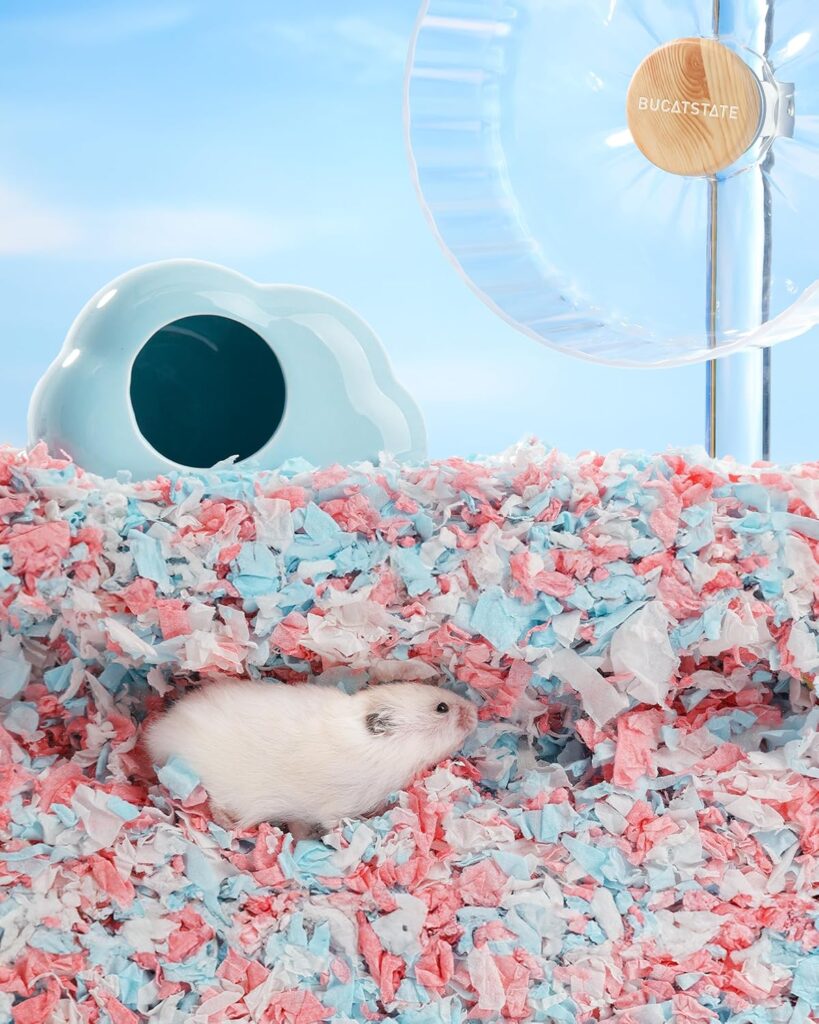
Cozy Comforts for Your Little Burrower: A Deep Dive into Hamster Bedding
Hamster bedding remembering that your hamster’s cage is their entire world, and a significant part of that world is their bedding. It’s more than just something to lie on; it’s their playground, their safe haven, their personal excavation site, and their temperature regulator.
Choosing the right hamster bedding is crucial for your friend’s health, happiness, and well-being.
Let’s get down to the nitty-gritty of hamster bedding and help you create the ultimate cozy nest for your furry friend.
Why is Hamster Bedding So Important?
Think about it: your hamster spends most of their waking hours in their enclosure. Their bedding serves multiple vital purposes:
Burrowing & Nesting: Hamsters are natural burrowers. In the wild, they create intricate tunnel systems for safety, warmth, and to store food. Good bedding allows them to fulfill this natural instinct, reducing stress and promoting enrichment.
Absorption: Bedding absorbs urine and feces, helping to keep the cage dry and odors at bay. This is essential for preventing ammonia buildup, which can be harmful to your hamster’s respiratory system.
Comfort & Warmth: A soft and comfortable bedding material provides insulation, keeping your hamster warm during cooler periods.
Play & Exploration: Different textures and types of bedding offer sensory stimulation and opportunities for play and exploration, keeping your hamster engaged and entertained.
Scent Marking: Hamsters use their scent glands to mark their territory. Bedding is often where they do this, and a familiar scent helps them feel secure.
What Makes “Good” Hamster Bedding?
Not all bedding is created equal. When selecting bedding for your hamster, consider these key characteristics:
Absorbency: The ability to soak up moisture effectively.
Odour Control: How well it neutralizes unpleasant smells.
Dust Content: Low-dust options are crucial for preventing respiratory issues.
Safe for Ingestion: While some incidental chewing is normal, it shouldn’t be toxic or cause impaction if eaten.
Comfort & Burrowability: Soft, compressible material that allows for tunneling.
Availability & Cost: Easy to find and afford for regular cage changes.
The Landscape of Hamster Bedding Options: Pros & Cons
Here’s a breakdown of popular hamster bedding materials, along with their advantages and disadvantages:
1. Paper-Based Bedding (Shredded Paper, Recycled Paper Pulp)
* Pros:
* Highly Absorbent: Excellent at soaking up liquids.
* Low Dust: Generally much less dusty than other options.
* Soft and Comfortable: Provides a pleasant texture for burrowing and nesting.
* Safe for Ingestion (in moderation): If a small amount is accidentally eaten, it’s usually harmless.
* Widely Available: Easy to find in pet stores and online.
* Cons:
* Can Be Expensive: Some brands can be pricier than other options.
* May Not Hold Burrows as Well: Can sometimes collapse, making deep tunneling difficult for some hamsters.
Popular Brands to Look For: Carefresh, Kaytee Clean & Cozy, Oxbow Eco-Straw.
2. Aspen Shavings
* Pros:
* Good Absorbency: Effectively wicks away moisture.
* Relatively Odour Control: Can help to manage smells.
* Durable for Burrows: Holds tunnels reasonably well.
* Cost-Effective: Usually an affordable choice.
* Cons:
* Can Be Dusty: Some brands can be quite dusty, so look for kiln-dried or low-dust options.
* Potential for Resin Oils: Untreated aspen can contain aromatic oils that might be irritants for some pets. *Always opt for kiln-dried aspen specifically marketed for small animals.*
3. Wood Pellets (Hardwood Pellets)
* Pros:
* Excellent Odour Control: Very effective at trapping and neutralizing odors.
* Highly Absorbent: These pellets expand and absorb liquids well.
* Easy to Clean: Urine is absorbed and broken down, making spot cleaning straightforward.
* Cons:
* Hard Texture: Not ideal as the primary bedding. They can be uncomfortable to sleep on and may not be suitable for burrowing.
* Sharp Edges: Some pellets can have sharp edges, which could injure delicate paws.
* High Dust when Broken Down: As they degrade, they can become quite dusty.
When to Use: Wood pellets are best used as a base layer underneath softer bedding. This helps with odor control and absorbency without compromising comfort.
4. Hay (Timothy Hay, Meadow Hay)
* Pros:
* Excellent for Burrowing and Nesting: Provides great structure and encourages natural behaviors.
* Edible: A healthy snack for your hamster.
* Adds Texture and Enrichment: Offers a satisfying chew.
* Cons:
* Not Very Absorbent: Poor at soaking up urine, leading to a damp and smelly cage if used alone.
* Can Be Dusty: Some hay can be dusty.
* May Contain Mites: Ensure hay is from a reputable source to minimize the risk of mites.
When to Use: Hay is a fantastic addition to other bedding types, especially for creating deeper burrows and nesting material.
Bedding Materials to AVOID (and why!)
Some common bedding materials, while tempting due to price or availability, can be dangerous for your hamster:
* Pine and Cedar Shavings: These woods contain aromatic oils (phenols) that are toxic to hamsters and can cause severe respiratory problems, liver damage, and even death. NEVER use pine or cedar bedding.
* Cotton Fluff / “Cotton Balls” / “Nestlets”: These are extremely dangerous. They are not digestible and can cause severe intestinal impaction if ingested. They can also wrap around limbs, causing injury and restricting blood flow.
* Cat Litter: Most cat litters are not safe for hamsters. They can be dusty, containing clumping agents or chemicals that are harmful if inhaled or ingested.
* Fabric Scraps: Similar to cotton fluff, fabric can cause impaction and entanglement.
* Newspaper/Colored Paper: While some plain shredded paper is okay, the inks used in newspapers and colored paper can be toxic.
—
Creating the Perfect Hamster Habitat: Layering is Key!
For the ultimate in comfort, hygiene, and enrichment, consider a layered bedding approach:
1. Base Layer (Optional but Recommended): A layer of unscented wood pellets or dust-extracted kiln-dried aspen can be placed at the bottom to enhance odor control and absorbency.
2. Main Bedding Layer: The bulk of your hamster’s bedding should be a soft, dust-free material like unscented recycled paper pulp or high-quality paper-based bedding. Aim for a depth of at least 4-6 inches (10-15 cm) to allow for proper burrowing. Deeper is always better if your cage allows!
3. Nesting & Burrowing Additions: Sprinkle in some unscented hay or even a little plain toilet paper cut into strips to provide extra material for them to build their cozy nests and expand their tunnel systems.
—
Spot Cleaning and Full Cage Changes
Regular maintenance is essential for a healthy hamster environment:
* Spot Cleaning: Daily, remove any soiled bedding (those little “pee corners”) and any old food or droppings.
* Full Cage Changes: The frequency of full cage changes will depend on your hamster, the size of your enclosure, and the type of bedding you use. As a general guideline, aim for a full clean every 1-2 weeks for most hamsters, but you might need to do it more often if you notice a strong odor or dampness.
* When Cleaning: Remove all old bedding, wash the cage thoroughly with pet-safe cleaner (diluted white vinegar and water is a good option), and replace it with fresh bedding. Leave a small amount of the old, clean bedding behind to retain some familiar scent for your hamster.
—
Tips for Choosing and Using Hamster Bedding:
* Always Choose Unscented: Fragrances can be irritating to your hamster’s sensitive respiratory system.
* Prioritize Dust-Free: Look for bedding specifically labeled as “dust-free” or “low-dust.”
* Depth Matters: The deeper the bedding, the happier your hamster will be. Aim for as much as your cage allows – at least 4-6 inches!
* Observe Your Hamster: Pay attention to how your hamster interacts with their bedding. Do they burrow? Do they seem comfortable? Adjust accordingly.
* Introduce New Bedding Gradually: If you’re switching to a new type of bedding, mix it with some of their old bedding for a few days to help them adjust to the change.
* Source Reputable Brands: Purchase bedding from well-known pet supply companies that specialize in small animal care.
—
Conclusion: A Foundation for a Happy Hamster
Choosing the right hamster bedding is a fundamental step in providing a happy, healthy, and enriched life for your tiny companion. By understanding their natural needs and the pros and cons of different materials, you can create a soft, safe, and stimulating environment where your hamster can truly thrive. Happy burrowing!