Pet Hamster World
Pet Hamster Products

Best Selling Hamster Cages


The Tiny Titan of Your Terrarium: Welcoming a Pet Hamster Home
Pet hamster at home. Those impossibly small paws, that ever-busy cheek pouch, and the nocturnal whirl of a wheel – hamsters have captivated hearts for decades as charming, miniature companions. If you’re considering bringing one of these furry dynamos into your life, you’re in for a treat. But before you rush to the pet store, let’s delve into what it truly means to own a pet hamster.
From Desert Sands to Cozy Cages: A Hamster’s Origins
The hamsters we know and love as pets today are primarily descendants of the Syrian hamster, also known as the golden hamster. Their wild ancestors hail from the arid and semi-arid regions of Syria, Turkey, and Argentina. Imagine them scurrying through rocky outcrops and sandy plains, foraging for seeds and insects.
These origins have shaped their behaviour significantly, explaining their nocturnal tendencies and their instinct to hoard food. The first Syrian hamsters were actually captured for scientific research in the early 20th century, and their appeal quickly led to their widespread domestication. Other popular pet species, like the Roborovski and Winter White dwarf hamsters, originate from Siberia and Mongolia, showcasing their adaptability to diverse environments.
Setting Up House: Essential Hamster Equipment
A comfortable and enriching environment is paramount for your pet hamster’s well-being. Here’s what you’ll need:
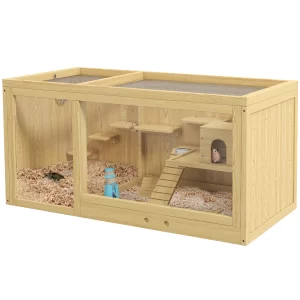
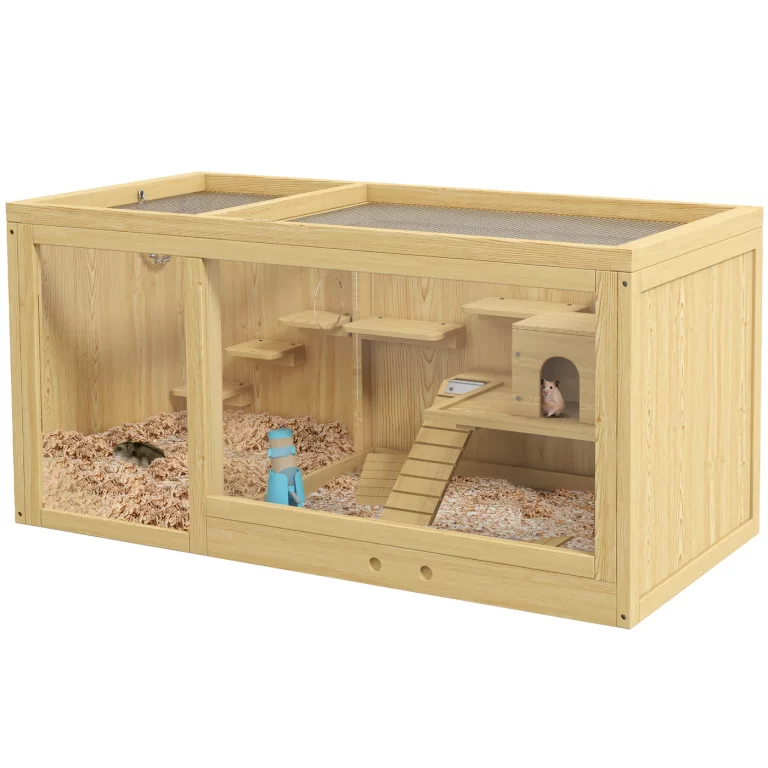
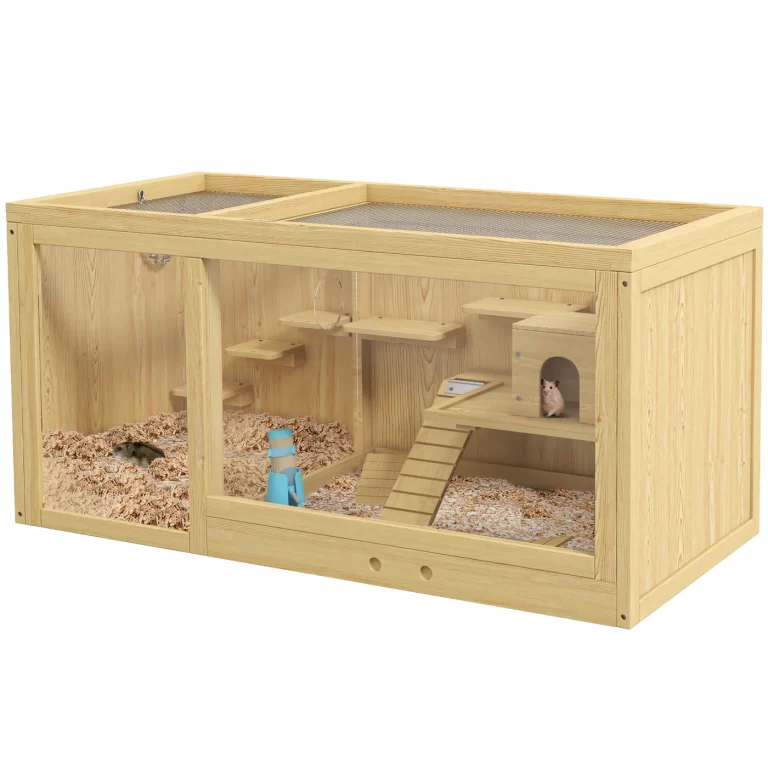
* Spacious Cage: Forget those tiny, brightly coloured cages sold as starter kits. Hamsters need ample room to explore, burrow, and exercise. A general rule of thumb is that the cage should have at least 800-1000 square inches of unbroken floor space. This can be achieved with a large rodent-specific cage, a tank (aquarium with a secure mesh lid), or a DIY bin cage. Avoid cages with wire bottoms, as they can injure tiny feet.
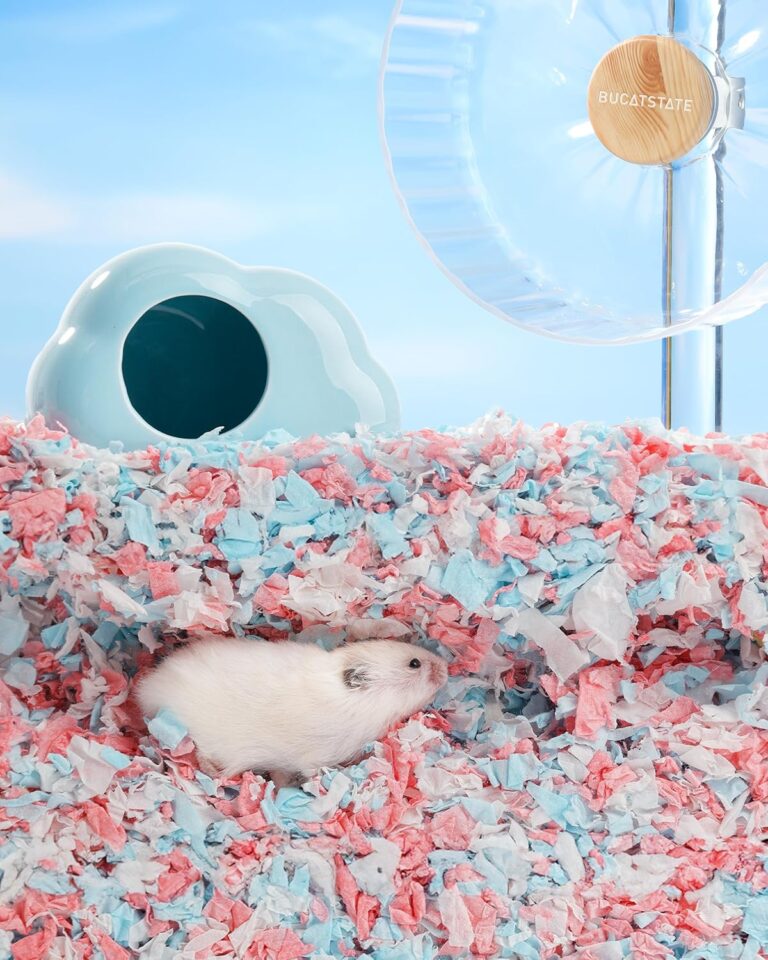
* Deep Bedding: Hamsters are natural burrowers. Provide at least 6-10 inches of safe, absorbent bedding. Options include paper-based bedding, aspen shavings, or hemp. Avoid pine and cedar shavings, as their oils can be harmful to a hamster’s respiratory system.
* Wheel: An essential piece of equipment for exercise. Ensure the wheel is solid-surfaced (no bars) and large enough for your hamster to run with a straight back, preventing spinal injury. The diameter should be at least 8 inches for dwarf hamsters and 10-12 inches for Syrian hamsters.
* Hideouts & Tunnels: Hamsters are prey animals by nature and need places to feel secure. Offer at least two hideouts made from wood, ceramic, or cardboard. Tunnels made from cardboard tubes, PVC pipes, or even commercially available chewable tunnels provide additional exploration opportunities.
* Food Dish & Water Bottle/Bowl: A ceramic or heavy plastic food dish is best to prevent tipping. While water bottles are common, some hamsters prefer to drink from a shallow, heavy ceramic dish. Ensure the water is fresh daily and that the spout of the water bottle is at a height your hamster can easily reach.
* Chew Toys: Hamster teeth grow continuously. Providing safe chew toys made from untreated wood, cardboard, or certain natural fibers will help keep their teeth healthy and prevent boredom.
* Sand Bath (Optional but Recommended): A shallow dish filled with chinchilla sand (not dust) is a fantastic way for hamsters to clean themselves and mimic their natural grooming behaviors.
A Balanced Diet for a Tiny Digestive System
A pet hamster’s diet should be primarily composed of a high-quality hamster food mix. Opt for a mix that contains a variety of seeds, grains, and dried vegetables. Look for food that has at least 16-20% protein.
Beyond their staple diet, you can supplement with small amounts of fresh foods:
* Vegetables: Small pieces of broccoli, cauliflower, carrots, cucumber, bell peppers (seeds removed), and leafy greens like romaine lettuce are generally safe.
* Fruits: Tiny portions of apple (seeds removed), berries (in moderation), and melon can be offered as occasional treats.
* Protein Sources: Small amounts of cooked, unseasoned chicken or hard-boiled egg can be given as a protein boost. Mealworms (dried or live) are also a popular treat.
Important dietary caveats for a pet hamster:
* Avoid sugary or fatty foods: These can lead to health problems.
* Never feed citrus fruits, onions, garlic, or avocado.
* Introduce new foods gradually to avoid stomach upset.
* Remove any uneaten fresh food within 24 hours.
* Hoarding is natural! Don’t be alarmed if your pet hamster stuffs its cheeks and hides food in its burrow. This is a survival instinct.
The Marathon of Miniature Life: Hamster Lifespans
While they may be small, hamsters offer a meaningful, albeit brief, companionship. The average lifespan of a pet hamster varies depending on the species:
* Syrian Hamsters: Typically live 2 to 3 years.
* Dwarf Hamsters (Roborovski, Winter White, Campbell’s): Usually 1.5 to 2.5 years.
This shorter lifespan highlights the importance of providing a rich and stimulating environment to make their time with you as enjoyable and fulfilling as possible.
More Than Just a Cage Dweller
Owning a hamster requires commitment, research, and a genuine desire to understand their unique needs. While they might be small, their capacity for love, entertainment, and surprise is immense.
With the right care, equipment, and a whole lot of love, your tiny titan can bring immense joy and a unique brand of charm into your home.
So, if you’re ready to embrace the world of intricate tunnels, late-night zoomies, and the wonder of a well-stuffed cheek pouch, a pet hamster might just be the perfect choice for you.